
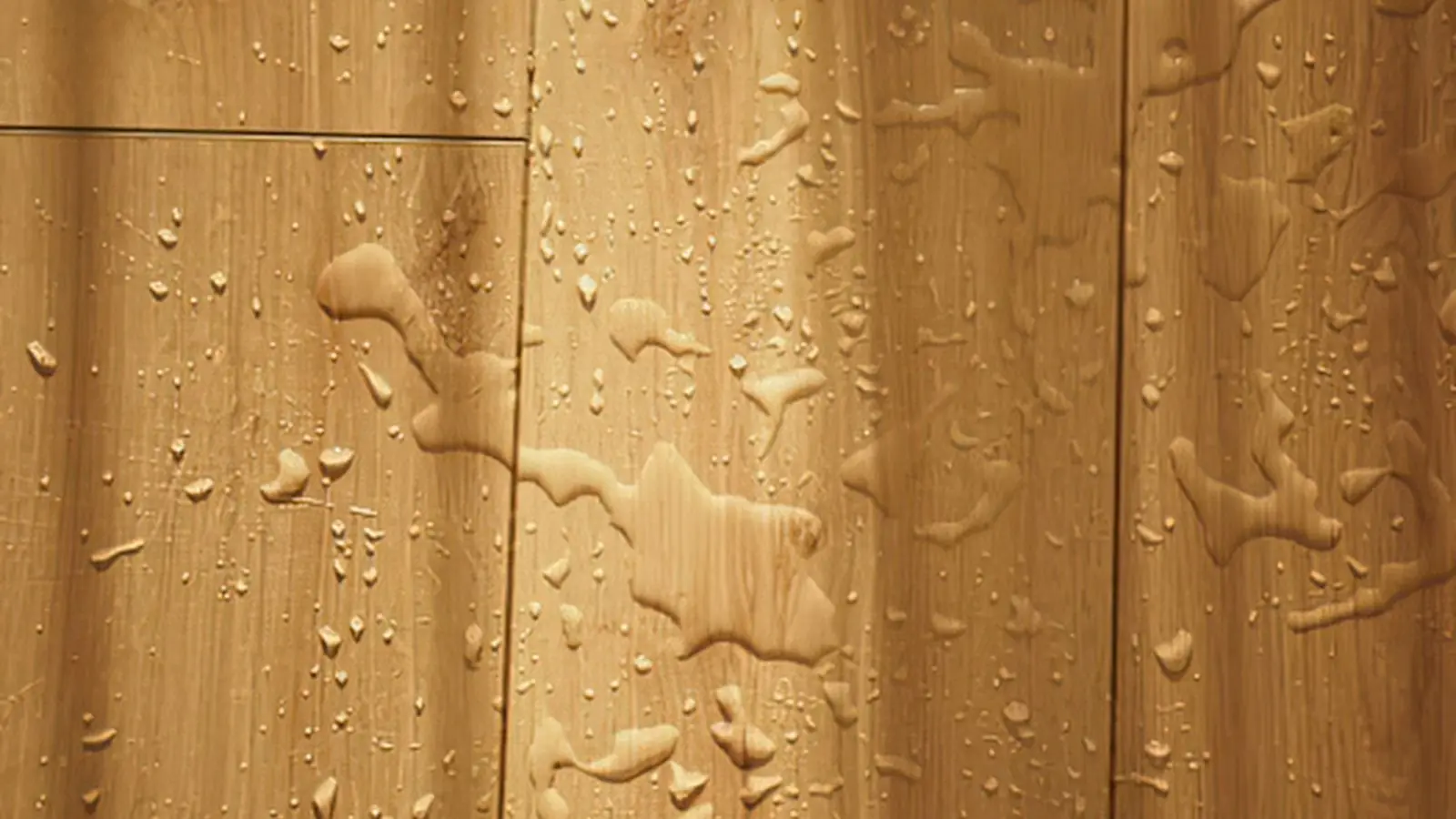
A water-damaged wood floor can sometimes be saved if it is dried quickly and slowly enough to avoid cracking. Boards that cup, crown or buckle are reacting to moisture, and the right fix depends on how wet they got, how long they stayed wet and what is beneath them. This guide explains the signs and the options.
What cupping, crowning and buckling mean
Cupping means the edges of each board rise higher than the center, which happens when moisture enters from below. Crowning is the reverse, with the center higher than the edges, and it often appears after a cupped floor is sanded before it is dry. Buckling is severe, with boards lifting off the subfloor.
Gaps between boards after the floor dries are a sign it shrank, and swelling at the seams means water got in from above. Each pattern tells a crew where the moisture came from.
Common causes in homes like yours
Floors fail from small, repeating leaks as often as from big ones. A washing machine valve that breaks, an air conditioner condensate line that backs up, a dishwasher hose, a leaky refrigerator line and a spill under a sink are typical. Each can run for hours or weeks before a board lifts.
Moisture can also come from beneath. Floors over a slab or crawl space can absorb vapor, and a plumbing leak under the slab is hard to see. If cupping appears with no spill, ask a crew to take readings from the floor and the slab.
Floor symptoms and the usual route
A crew confirms with a meter, but this table shows what each symptom often leads to.
| Symptom | What it often means | Usual route |
|---|---|---|
| Edges rise, center low (cupping) | Moisture from below or humidity | Dry slowly, then sand and refinish if flat |
| Center rises (crowning) | Over-sanding while wet, or surface wetting | Dry fully, then re-sand |
| Boards lifting (buckling) | Heavy or long exposure | Replace affected boards |
| Dark stains or black marks | Moisture and finish breakdown | Sand, bleach or replace if deep |
| Gaps after drying | Shrinkage | Fill or accept, depending on width |
Drying a wood floor without cracking it
Drying a hardwood floor is slower than drying carpet. Crews may use specialized mats and low airflow to pull moisture from the boards without warping them, and daily readings track progress. Fast drying with strong heat can cause splits.
If the floor still reads wet, do not sand and do not seal it. Finish applied over moisture traps it and can fail within months. The step-by-step drying process is described on the water mitigation page.
Floors in Tarzana's slab and raised foundation homes
Tarzana's housing spans many decades of building, so floors range from hardwood laid over wood subfloors to engineered planks glued to concrete. The foundation type changes the outcome. A slab can release moisture upward for a long time, while a raised floor dries from below once the leak is fixed.
Ask the Los Angeles Department of Building and Safety whether your repair needs a permit, and check any floor contractor's license with the Contractors State License Board. The license requirement applies to jobs of $1,000 or more in labor and materials, and flooring replacements pass that quickly.
Refinish or replace
Refinishing works when boards are flat after drying and the damage is only in the finish. Replacement is the plan when boards have split, buckled or darkened through. A repair that replaces a patch needs careful blending of color and sheen, so ask to see a sample before it goes down.
If water reached drywall and cabinets, the work extends beyond the floor, and water damage repair describes the broader rebuild.
Cupping, crowning and buckling explained
Wood floors move as they take on moisture. Cupping means the edges rise above the center of each board, which happens when the underside is wetter than the top. Crowning is the reverse, with raised centers, and often appears after a floor was sanded while still damp.
Buckling is more serious. Boards lift off the subfloor, sometimes in a ridge, and the floor has usually absorbed a large amount of water. Early drying can reduce the damage, but long exposure often means replacement.
Why speed matters
Water moves through gaps between boards and into the subfloor within hours. The longer it sits, the more it spreads along joists and into adjoining rooms. Surface water that looks small may be hiding a wet pad or insulation underneath.
- Mop or extract standing water right away.
- Pull up rugs, mats and furniture legs sitting in water.
- Open windows and run fans if the air outside is dry.
- Avoid covering the floor with plastic, which traps moisture.
- Call a crew if the floor continues to rise after a day.
Drying options and expectations
Crews can dry floors with specialized mats that pull moisture from the boards, along with dehumidifiers and air movers. Not every floor responds, and a technician will check readings to decide whether drying is worth attempting.
Once the wood is stable, sanding and refinishing can often restore a cupped floor. That work belongs to water damage repair, and the drying phase falls under water mitigation. If a plumbing leak caused the damage, emergency water removal may come first.
What to do while you wait
Stop the source and remove standing water. Lift rugs and furniture, then wipe the surface dry and keep air moving. Do not cover the floor with plastic, which traps moisture. Photograph the damage and note when it started. Homeowners in Encino and Sherman Oaks can call the same line.
Frequently asked questions
Sometimes. If it dries slowly and the cause is fixed, many cupped floors flatten and can be refinished. Floors that stay wet or have splits are more likely to be replaced.
Until readings show the floor at its normal moisture level. Sanding early can leave crowned boards.
It depends on how long water sat and how deep it went. Quick extraction and drying improve the odds, and a meter reading after a few days shows whether the boards are recovering.
No. Sealing over moisture traps it and often fails. Dry first, then finish.
Wait until moisture readings are stable and the boards have settled, which can take weeks. Sanding too early can lead to crowning.